
Comparisons
Three finished designs per client, next to six platforms.
Seven comparisons and a migration guide, written to the same rules: what each platform does, taken from its own published pages, next to what Mondovo does.
Free plan available. No credit card required.
How these pages are written
The rules we set before writing any of them.
Comparison pages are where a marketing site most easily becomes dishonest, usually by accident rather than intent. These are the rules we hold ourselves to. Hold us to them.
Every claim about another platform is sourced
It comes from that company's own published pages, not from a review site and not from memory. Quoted text is theirs.
Capability, not adjectives
A table of what each platform does. No screenshots of somebody else's product with a red circle drawn on it, and no frustrations invented on your behalf.
We say when to choose them
Every comparison names the one case where the other platform is the better buy. It is a real case, stated once, and then the page gets on with what Mondovo does.
Where we could not confirm a figure, we leave it out
Published prices move, and some are shown in your own currency with local tax already added. Two of these pages quote no price for the competitor at all, because we could not read one we trusted from the source.
Side by side
What each one does.
Every cell about another platform is taken from that company's own published pages. Quoted text is theirs.
A dash means we could not confirm it from their own published pages, so we make no claim either way.
| Mondovo | WordPress | Wix | Squarespace | Webflow | Duda | HighLevel | |
|---|---|---|---|---|---|---|---|
| What it is | A website platform with marketing around it. Describe a business, approve a content plan, get three complete multi-page designs, publish to a domain, keep the enquiries, and draft the posts and emails that follow. | Open-source publishing software you host yourself, and WordPress.com, a hosted service built on it. | A hosted website builder with a drag-and-drop editor and an app market. | A hosted website builder. Every current site belongs to one template family. | In its own words, "the agentic web platform for modern businesses": a visual designer, a CMS and hosting, bought as separate plans. | "Built for businesses offering websites to other businesses." A builder with client accounts, team seats and a white-label tier. | In its own words, "the AI-powered business operating system": a sales and marketing suite in which websites and funnels are one part. |
| How it is priced | Loading pricing… per live site per month. Drafts are free. | WordPress.com plans run $4 to $45 a month billed annually, per site. The self-hosted software is free; you pay a host. | A free plan plus four premium plans, bought per site. | Four plans. "Billing plans apply to individual sites only." | A Site plan per site — Basic $15, Premium $25 a month billed yearly — plus a separate Workspace plan, plus seats. | A plan per account, $19 to $149 a month billed annually, including one to four published sites, with extras at $17 to $19 a month. | One agency subscription: $97, $297 or $497 a month, covering 3 to unlimited sub-accounts. |
| Changing the design of a site that already exists | Up to ten designs sit on one site's content. Switch the live one whenever you like. | Change the active theme at any time. "Only one theme from this directory can be Active." | "It's not possible to switch to a different template for a site you already created." | You will not change templates on a version 7.1 site. "All version 7.1 sites are part of the same template family." | — | — | — |
| People who can work on it | 3 team members included, then Pricing unavailable a month each. | — | 2 to 100 site collaborators, depending on the plan. | "Two contributors" on Basic; "Unlimited contributors" on Core, Plus and Advanced. | "One full seat is included for the Workspace owner." More seats are "a separate fee"; agency and freelancer guests are free. | "3 team seats" on Basic, "6 team seats" on Team and Agency, Custom on White Label. | "Unlimited Users" on every published plan. |
| Extending it | No plugin or app ecosystem. Forms, enquiry inbox, per-page SEO and version history are part of the platform. API access comes with the Pricing unavailable a month Agency add-on. | "The largest directory of free and open source WordPress plugins", and over 9,000 themes in the theme directory. | The Wix App Market. | — | Its platform menu lists Apps. | Its platform menu lists an App store: "Extend your sites with powerful apps." | — |
| Getting a client to review it before launch | A review link that works on desktop and mobile. The client clicks an element on the page and leaves a note against it, or approves the whole thing. | — | — | Invite them as a contributor. They accept by signing into a Squarespace account, or creating one. | "Comment-only links — Share a site link to allow people without a Webflow account to review and comment." | Client accounts with permissions, and site comments, with "Unlimited clients" on every plan. | — |
| After launch: posts, emails and creative | Posts written for you, published to your connected Instagram and Facebook when you schedule them. Emails to your list and follow-ups that start from the site's forms and bookings, drafted for you to read. Creative Studio makes images, short videos with captions and logos in the site's colours. | — | Wix Email Marketing, its own tool for email campaigns. | Squarespace Email Campaigns, its own email marketing tool. | — | — | "Email + SMS Marketing", "Social Media Management" and "Workflow Automation" are on its pricing page. |
| Working from Claude or ChatGPT | An MCP connector: build and edit the site, add pages, draft posts and emails, and publish, from inside the conversation. | — | An official Wix MCP Server. | — | An official Webflow MCP server. | — | An official HighLevel MCP Server. |
Rows are limited to things we could confirm from each platform's own published pages. All six do a great deal more than is listed here, and so do we. The AI site builders are not a column, because Lovable, v0, Durable and 10Web differ enough from one another that a single cell would have been wrong about all four — they get a page of their own instead.
Price shapes
These price lists are not the same shape.
Most of them charge per website. One charges per agency and lets you put many clients inside it, and one charges for a plan and then per site on top. Which works out cheaper depends entirely on how many live client sites you run, and past a certain number some of them beat us on price. That is worth saying out loud on our own site.
Mondovo
Loading pricing… per live site per month
One live site is included in the first Loading pricing…, and each extra live site is another Loading pricing…. Drafts, pages, visitors and form submissions are not billed. White-label, API access and the outreach tools are a Pricing unavailable a month add-on, flat, whatever your client count.
WordPress
$4 to $45 per site per month, plus your time
WordPress.com's published plans, billed annually: Personal $4, Premium $8, Business $25, Commerce $45. Self-hosted WordPress is free software, so the invoice is hosting and the unbilled cost is whoever keeps it patched.
Wix
Per site
A free plan plus Light, Core, Business and Business Elite. Wix's own note reads: "Prices and currency vary by location. USD prices displayed for reference only." The page served us figures with local tax already added, so we quote none.
Squarespace
Per site
Basic, Core, Plus and Advanced. "If you have more than one Squarespace site, you'll pay for each one separately, and each will have its own billing plan." We could not read current figures from the pricing page, so we quote none.
Webflow
A Site plan per site, plus a Workspace plan
Site plans: Starter free, Basic $15, Premium $25 a month billed yearly — "All prices in USD, per site, per month." Workspace plans are separate: Starter free, Core $19, Growth $49. Seats beyond the owner's are "a separate fee".
Duda
$19 to $149 per account per month
Basic $19, Team $29, Agency $52, White Label $149, billed annually. Basic and Team include one published site, Agency and White Label include four, and extras are $17 to $19 a month. "Prices are in USD and apply per account."
HighLevel
$97 to $497 per agency per month
Starter $97 with 3 sub-accounts. Unlimited $297 with unlimited sub-accounts. Agency Pro $497, which adds SaaS Mode and automated sub-account creation. Enterprise is quoted.
Compare the local Mondovo price when choosing between plans; competitor prices shown here remain in USD.
The eight pages
Read the one you are actually deciding between.
Each page sets out the capability difference, quotes the other platform's own pages, and names the case where they are the right answer.
For the record
What Mondovo is, in plain terms.
So you can weigh it against the others without having to decode a slogan first.
It starts from a brief, a PDF or an address
Describe the business, upload the scope document, or paste the site the client already has. A redesign keeps the existing pages and content and rebuilds the design. A WordPress site brings its pages and posts across.
It generates three complete designs at a time
All three are built from one content plan you approved, so the words and the page structure stay fixed and only the design changes. Up to ten designs can live on a site, and the live one is a switch.
It carries a review link
Your client opens it on desktop or mobile, clicks an element on the page and leaves a note against it, or approves. Putting your agency's name on that link is part of the Pricing unavailable a month Agency add-on.
It keeps working after launch
Enquiry inbox and CRM, website chat, forms with no third-party embeds, per-page SEO, version history, and static pages served from a global network. Posts, emails and follow-ups are drafted for you to approve, and Creative Studio makes images, short videos and logos in the site's colours. There is also an MCP connector, so the whole workflow runs from Claude or ChatGPT.
Real output
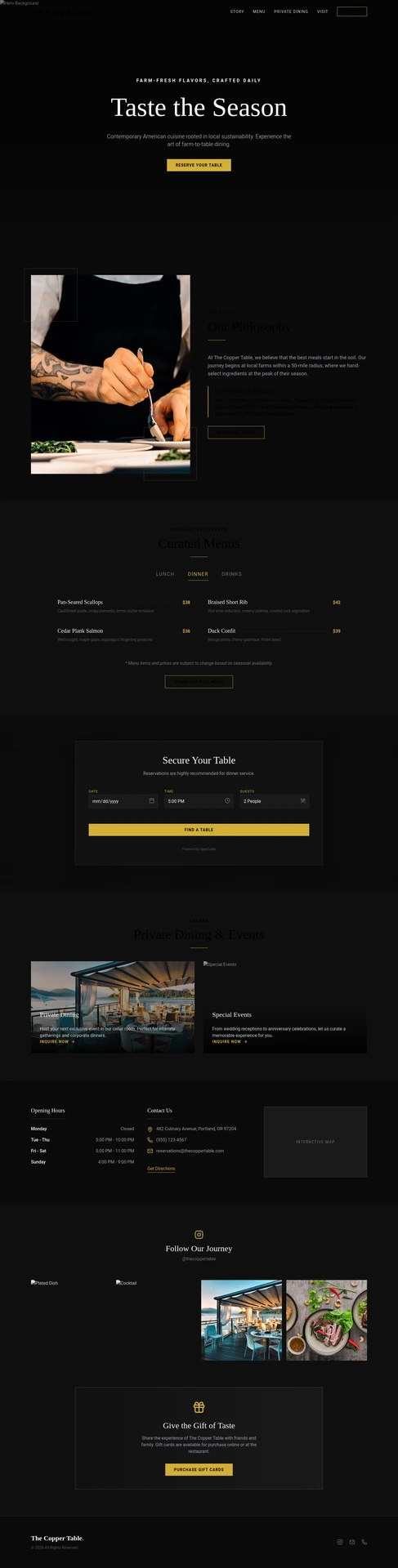
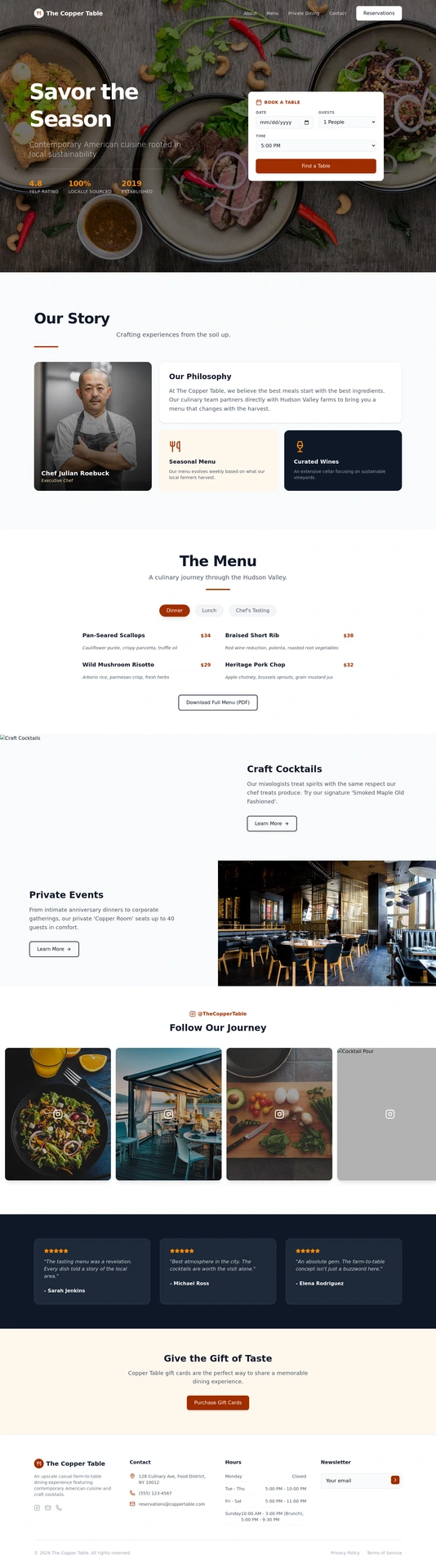
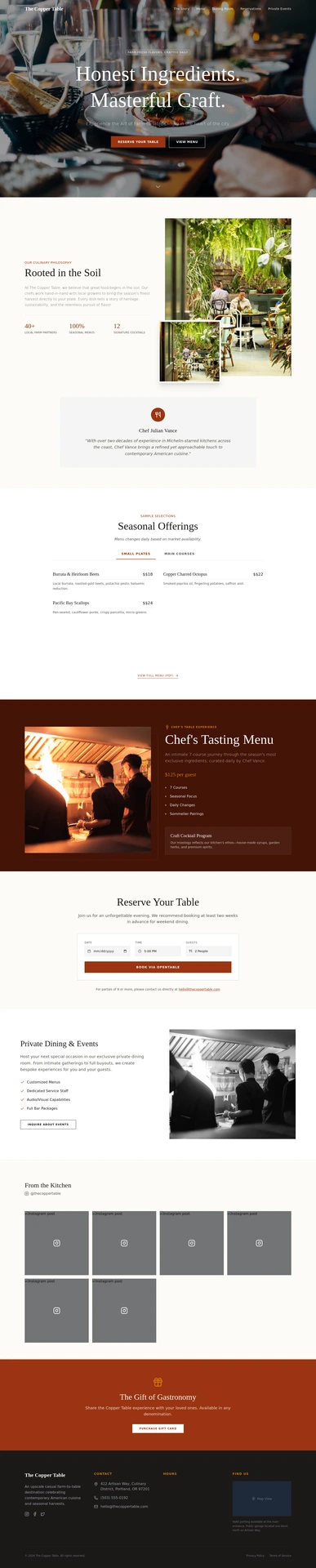
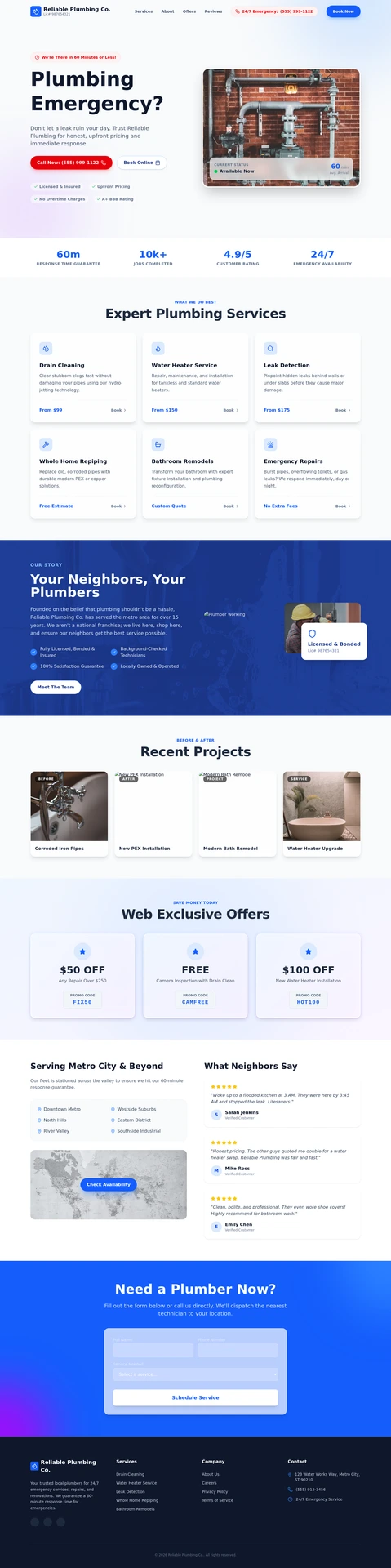
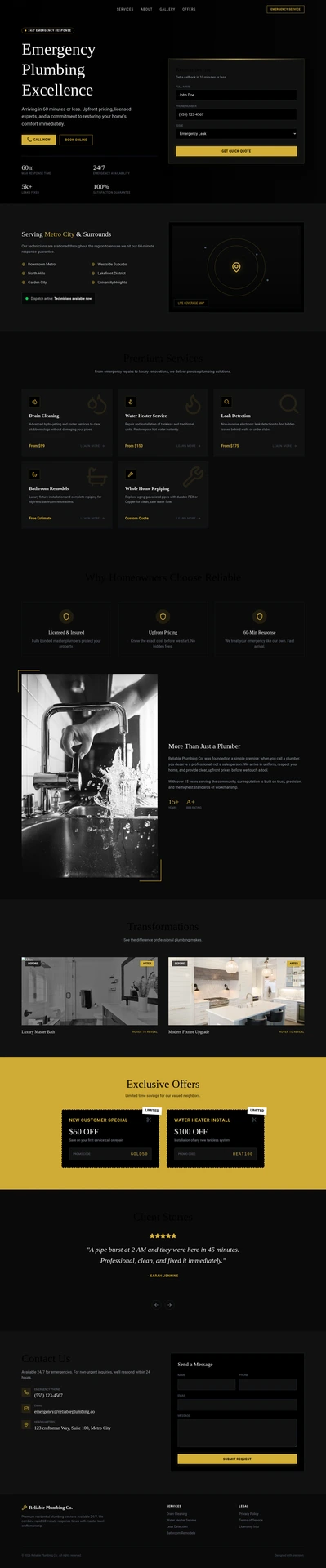
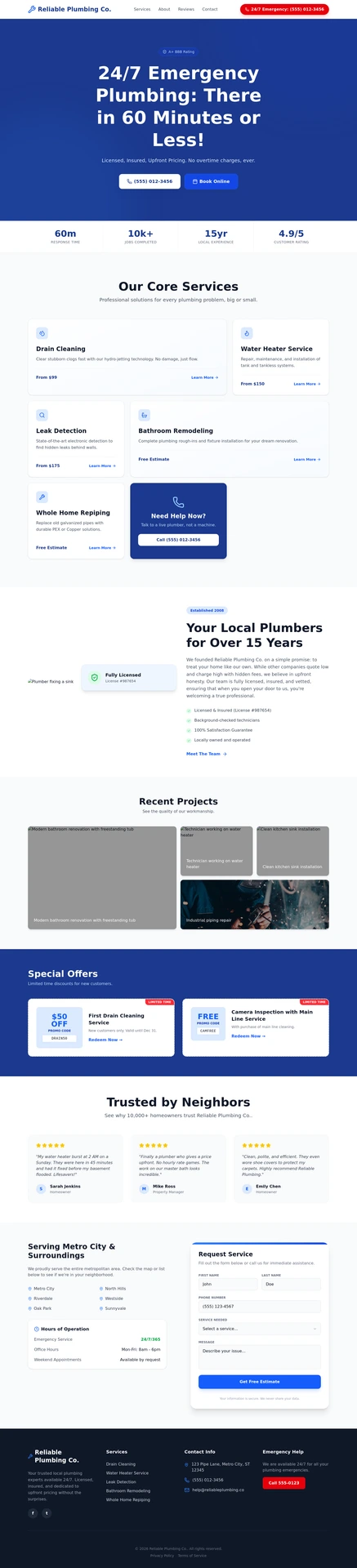
Three designs from one brief. Shown twice.
The top row is one restaurant’s brief in three directions; the bottom row is one plumbing company’s. Within each row the pages, the words and the offer are identical — the composition, typography, colour and rhythm are what changed. There are no customer logos on this site because there are no named customers yet. What there is, is output.
About this comparison
Questions about the questions.
You sell one of these. Why would I trust the table?
You should check it. Every claim about another platform is taken from their own published pages, and quoted text is theirs. If a cell is wrong, tell us and it will be fixed.
Why are some cells empty?
Because we could not confirm the answer from that platform's own published pages. An empty cell is not a criticism. It means we would rather leave a gap than assert something about somebody else's product that we cannot show you.
Why do two of the pages quote no competitor price?
Wix states that prices and currency vary by location, and the page served us figures with local tax already added. Squarespace's help centre points at its pricing page for current figures, and we could not read them from it. Guessing at either would have been the easiest thing on this page to get wrong. Where a platform publishes a plain figure — WordPress.com, Webflow, Duda, HighLevel — it is printed.
Why is there no 'last checked' date on these pages?
Because a date is a worse signal than a source. A page stamped three months ago reads as stale whether or not anything changed, and a page stamped yesterday reads as fresh whether or not anybody looked. Every claim here comes from the platform's own published pages, and we recheck them when those change.
Why are the AI site builders one page rather than a column?
Because Lovable, v0, Durable and 10Web are four different products and a single averaged cell would have been wrong about all four. Two of them describe themselves as building applications; one is aimed at the business owner rather than the agency; one builds WordPress sites. Each gets its own card, in its own words, with its own link.
Trade marks named on this page belong to their owners. They are used here to identify the products being compared, and nothing on this page implies any relationship with or endorsement by them.
The cheapest way to settle it
Build one and look at it.
Drafts cost nothing, so you can put a real client brief through this and compare the output against whatever else you are considering, before you pay anyone.